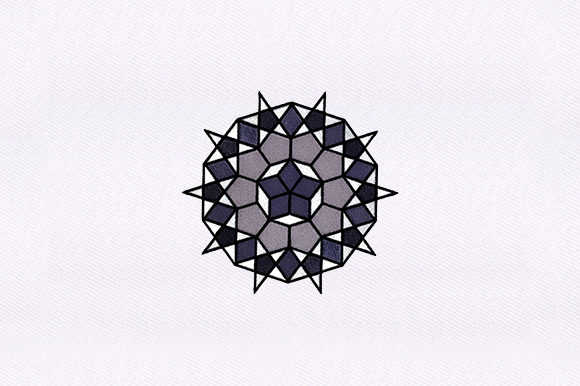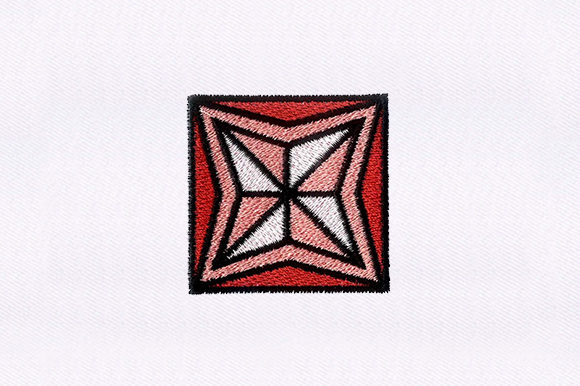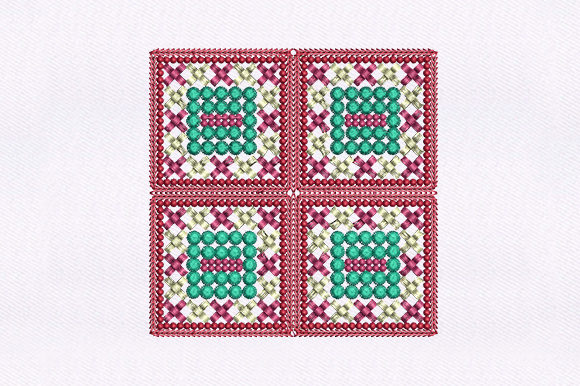
Detailed Quilting: A Bold Embroidery Design for Craft Fairs
If you're preparing your craft fair booth with a mix of machine embroidery designs, Detailed Quilting is one that demands attention. From the moment I unzipped the digital embroidery file and previewed it on my design software, I knew this was more than just another pattern—it’s a statement piece. With its intricate details and farmhouse-inspired aesthetic, Detailed Quilting has the potential to elevate any handmade product from ordinary to premium.
First Impressions: Rustic Meets Refined
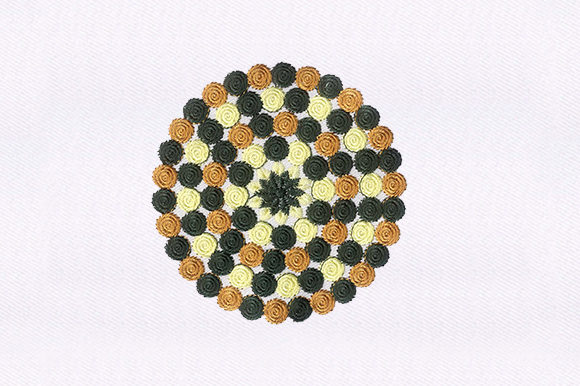
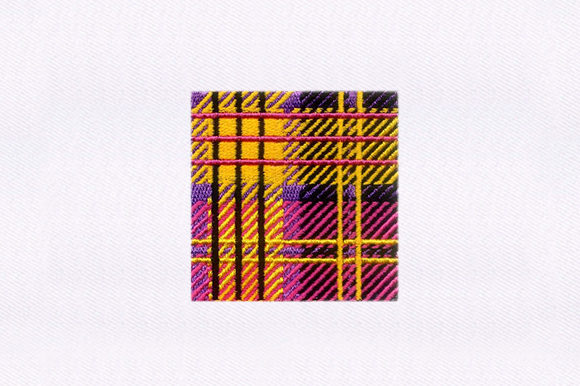
The name "Detailed Quilting" immediately suggests a rich, layered design—something that would look at home in a cozy bedroom or a vintage kitchen. Upon closer inspection, the design carries a rustic yet refined energy. It’s bold enough to stand out but soft in execution, making it versatile for both modern and traditional markets. The stitch layout is dense in some areas, which gives it a textured, hand-crafted feel, while other parts are more open and breathable, allowing the fabric to show through.
Style and Mood
- Bold and Decorative: The design feels substantial and intentional, perfect for those who want their products to make an impact.
- Farmhouse Vibes: The motifs align well with country-style décor, making it ideal for customers seeking a warm, nostalgic aesthetic.
- Elegant Simplicity: Despite its complexity, there's a balance that prevents it from becoming overwhelming. This makes it appealing across age groups and styles.
Performance on Products: Where It Shines
As someone who regularly turns embroidery files into physical products for Etsy sellers and boutique makers, I test each design on multiple items. Here’s how Detailed Quilting performs across common craft fair offerings:
Tote Bags and Market Bags
This design works exceptionally well on cotton canvas tote bags. The density of the stitching adds structure and durability, which is great for reusable market bags. Its visual weight ensures it doesn’t get lost in large formats, and when paired with minimal text or branding, it becomes the focal point. Customers will notice it instantly—especially if you use thread colors that pop against a neutral background.
Aprons and Tea Towels
On aprons, particularly those made from linen or organic cotton, the design looks charming in the lower corner. For tea towels, the same placement can create a decorative border effect. However, due to the nature of textured fabrics used in these items, it’s crucial to check stitch density before mass production. Some areas may require additional stabilizer to avoid puckering.
Patches and Caps
Embroidered patches featuring Detailed Quilting are eye-catching as gifts or add-ons. They’re especially popular with collectors and hobbyists. On curved surfaces like baseball caps, the design should be placed centrally and sized appropriately to maintain clarity. Smaller versions might lose detail, so always test on a real cap before producing a batch.
Pillow Covers and Fabric Pouches
The design adds a touch of elegance to pillow covers and small pouches. When stitched on medium-weight cotton blends, the texture becomes part of the charm. Pillow covers with Detailed Quilting tend to attract buyers looking for interior décor upgrades, while fabric pouches become practical yet stylish storage solutions.
Handmade Gifts and Booth Samples
For handmade gift items like embroidered coasters or mini wall hangings, Detailed Quilting adds a sense of craftsmanship and care. As a booth sample, it draws people in because it looks finished and professional. The design itself invites conversation, which is key to boosting buyer engagement at live events.
Practical Selling and Production Considerations
When choosing designs for commercial embroidery, I always consider ease of production and customer appeal. Detailed Quilting checks many boxes, but there are a few things to keep in mind:
Visual Clarity and Size Flexibility
This design is best suited for larger hoop sizes like the 8×8 recommended. While it can scale down, smaller versions (particularly under 5x5) risk losing fine details. Use it as a central feature rather than a subtle accent unless you’re working with a very high-resolution version of the file.
Photography for Online Listings
Thanks to its detailed nature, the design photographs beautifully. The contrast between the stitches and fabric helps it stand out in printable mockups. I recommend using light-colored backgrounds and natural lighting to highlight the texture and depth of the embroidery.
Batch Production and Repeatability
Detailed Quilting is repeatable for small shop product runs, but only if you account for fabric variations and thread consistency. Always test the design on different materials to ensure uniformity. For commercial embroidery, confirm whether the digital embroidery file allows for multiple uses under the provided license.
Careful-Use Notes for Maximum Quality
To get the most out of Detailed Quilting and avoid common pitfalls, here are some tips:
- Stabilizer is Key: Because of dense stitch areas, use cutaway or tear-away stabilizer to prevent distortion during embroidery.
- Thread Contrast Matters: Choose thread colors that complement or contrast with your fabric. Darker threads on dark fabric may blend too much, reducing visual impact.
- Test on Real Fabric: Always run the design on scrap fabric similar to what you’ll use for final products. This helps identify issues with stitch tension or spacing.
- Watch Out for Tiny Details: If your design includes lettering or small elements, they may not hold up on stretchy or thick fabrics. Adjust size accordingly or simplify the layout.
- Consider Fabric Texture: Textured materials like flannel or canvas may alter the appearance of the design. Smooth cottons give the best results for showcasing every line and curve.
Design Notes for the Pros
Here are some professional insights to help you leverage Detailed Quilting effectively:
- Review Stitch Density: Check for areas with excessive coverage and adjust settings if needed to avoid over-stitching or damaging delicate fabrics.
- Create Mockups: Make at least one real-life sample and a printable mockup for your Etsy listings. These visuals build trust and showcase the design's full potential.
- Compare Fabric Colors: Different base colors will change how the design appears. Test on a variety of shades to see which ones enhance the overall look.
- Confirm Licensing Terms: Before selling finished products, ensure the design assets include commercial licensing. Without it, you could face legal issues later.
- Inspect Hoop Size Requirements: Stick to the specified hoop size for best results. Cropping or stretching the design outside of 8×8 can lead to alignment problems.
Booth Display and Brand Consistency
At a weekend craft fair, your booth needs to catch eyes quickly. Detailed Quilting does exactly that. When displayed on a set of coordinated products—say, a tote bag, apron, and patch set—it creates a cohesive brand story. The design's warmth and sophistication align with handmade product values, reinforcing the quality of your work.
Grouping these items together on a table display can also help boost sales. Buyers often look for matching sets for gifting or home décor, and Detailed Quilting offers the flexibility to do just that. Its consistent style across different product types supports brand consistency and builds recognition among your audience.
Final Thoughts for Craft Fair Success
In short, Detailed Quilting is a standout design for anyone preparing for a craft fair or setting up an online store. It brings a unique blend of rustic charm and polished detail that appeals to a wide range of customers. Whether you're an embroidery business owner, a Cricut crafter, or a digital seller, this design can become a core part of your collection.
Remember, success comes from preparation. Always test the design on actual products, review thread colors, and confirm licensing terms. With careful planning, Detailed Quilting can transform your booth into a destination for discerning shoppers looking for quality and character in their craft fair products.