Deco Quilting: A Bold Embroidery Design for Craft Fair Success
If you're a craft fair seller, Etsy entrepreneur, or handmade product creator, the first thing that catches your eye about Deco Quilting is its potential to stand out. The name itself hints at something stylish and modern—perfect for today’s market of design-savvy shoppers. As an experienced embroidery designer, I've reviewed countless machine embroidery designs, but Deco Quilting has a distinct edge when it comes to visual impact and versatility.
First Impressions and Style Appeal
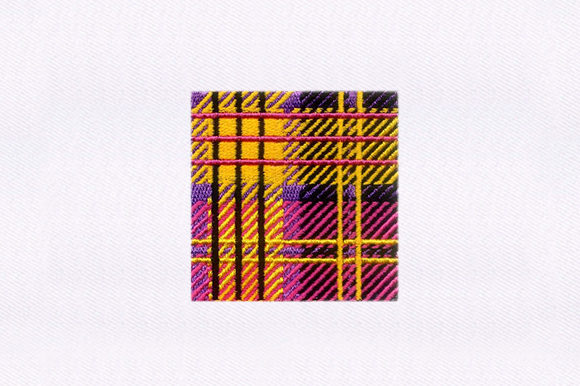
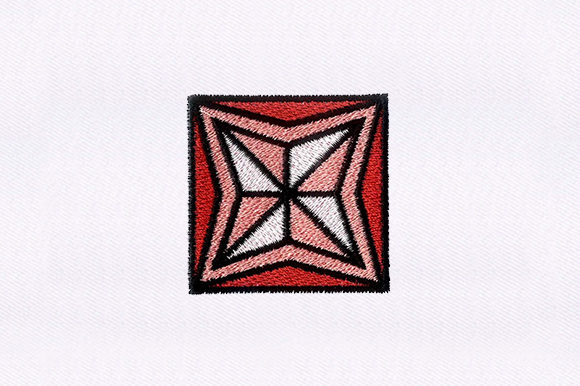
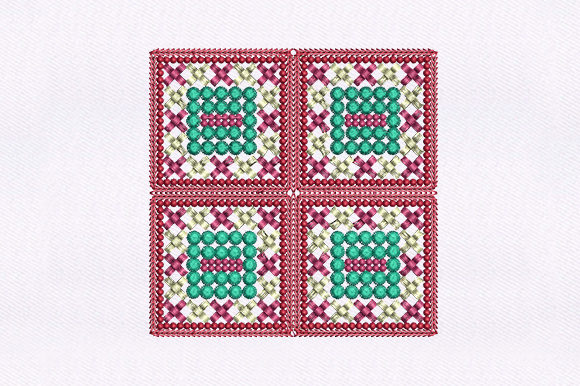
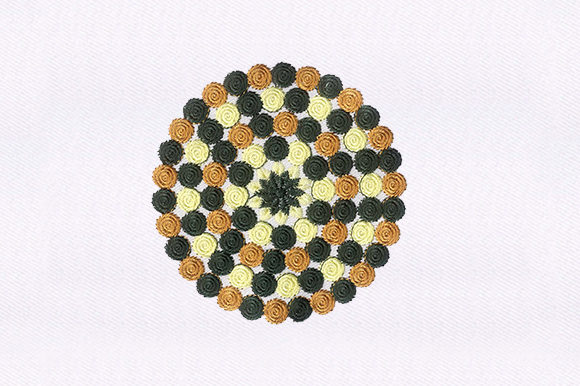
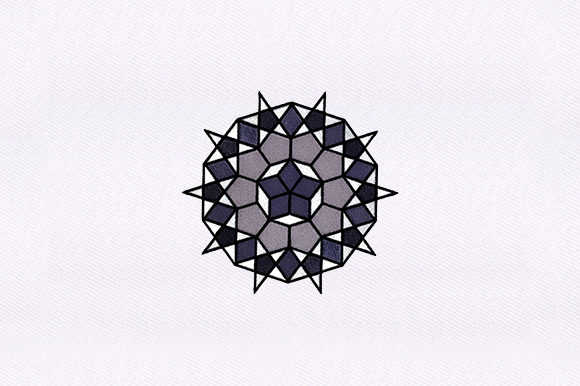
At first glance, Deco Quilting feels like a bold yet elegant design with clean lines and a touch of sophistication. It's not the kind of pattern that whispers into the background; rather, it commands attention. The style seems to lean toward modern farmhouse or decorative minimalism, making it ideal for bedroom-related products as well as everyday home goods. This balance between simplicity and statement makes it appealing across multiple demographics—from young creatives to mature buyers who appreciate timeless charm.
What Customers Might Notice
- Bold Visual Presence: The design doesn’t shy away from being the center of attention, which is great for drawing customers in at a craft fair.
- Handmade Quality: With proper execution, it can elevate any fabric item into a premium-looking piece.
- Design Flexibility: Its adaptability means it can be used on various products without losing its essence or appeal.
Product Applications and Market Fit
One of the most exciting aspects of Deco Quilting is how well it translates across different product types. Here are some standout applications:
Tote Bag Design and Market Bags
Embroidered tote bags are always a hit at craft fairs, and Deco Quilting brings a fresh twist. When placed centrally on a cotton canvas tote, it becomes a focal point. The stitch density is just right—dense enough to hold up during handling but not so heavy that it adds unnecessary weight. For weekend booth displays, this design can serve as a strong anchor in your product lineup.
Apron Embroidery and Tea Towel Embroidery
The design works beautifully on aprons and tea towels, especially if you use high-contrast thread colors against light or neutral fabrics. On tea towels, it can appear both decorative and functional, perfect for those looking for kitchen items with personality. Just keep in mind that textured towels may require extra stabilizer to ensure the design remains crisp and clear.
Embroidered Patch and Caps
While the hoop size (4×4) suggests it’s best suited for medium-sized projects, it can still be adapted for embroidered patches. These could be added to denim jackets or sold separately as collectibles. On curved cap surfaces, however, you’ll need to adjust the placement carefully to maintain symmetry and avoid distortion.
Fabric Pouches and Pillow Covers
Fabric pouches and pillow covers are excellent small shop products where this design can shine. The geometric nature of Deco Quilting complements the softness of these items, creating a contrast that feels both intentional and artistic. It also photographs very well, which is essential for Etsy sellers who rely heavily on online visibility.
Handmade Gifts and Booth Samples
For gift-oriented products like ornamented pillows or custom-designed coasters, Deco Quilting offers a sense of curated quality. Customers often gravitate toward items that feel unique and crafted with care. As a booth sample, it helps establish your brand’s aesthetic quickly—whether you're going for a minimalist look or something more decorative.
Production and Selling Practicalities
As a digital embroidery file, Deco Quilting needs to be evaluated for ease of production and repeatable results. Here are my top notes based on experience:
- Clarity at First Glance: The design is easy to understand visually, even when viewed from a distance. This is crucial for attracting walk-by traffic at events.
- Scalability: While it looks great as a large focal design, it also holds up as a smaller accent. Just be mindful of tiny details or lettering—if present—which might become less legible when scaled down.
- Photogenic Factor: The clean lines and structured elements make it ideal for showcasing in printable mockups or photo-ready listings. Whether lighting a tote bag or framing a pillow cover, the design maintains its visual appeal in photos.
- Batch Production Readiness: With a confirmed hoop size of 4×4, you can streamline setup for multiple units. However, always inspect stitch density before committing to large batches, especially if using thicker or stretchy fabrics.
Careful Use Notes
- Dense Stitch Areas: Some parts of the design may have tighter stitches. Test on scrap fabric first to ensure your machine handles them smoothly.
- Tiny Details: If the design includes intricate elements, they may not show up clearly on certain products like caps or patches unless you choose the right fabric and thread.
- Thick Fabric Challenges: Avoid using overly heavy materials unless you’re prepared to add additional stabilizers and possibly reduce stitch density slightly for smoother results.
- Dark Fabric Contrast: Thread colors may lose their vibrancy on darker bases. Always compare your design assets with fabric swatches before finalizing production.
- Curved Surfaces: On curved items such as caps, consider adjusting the placement or scaling the design for optimal alignment.
- Smaller Sizes: At reduced sizes, the design might lose clarity. Do a test run to see if it still reads as intended.
Designer Tips for Best Results
Before turning Deco Quilting into finished products, here are a few key steps every professional embroidery designer should take:
- Test on Scrap Fabric: Get a real-world idea of how the design behaves with different threads and stabilizers.
- Check Thread Colors: Ensure your chosen palette complements the fabric and enhances the design’s boldness.
- Review Spacing: Especially if planning to repeat the design on larger pieces like table runners or banners.
- Confirm Hoop Size: Since it specifies a 4×4 hoop size, double-check compatibility with your equipment.
- Inspect Stitch Density: Look for areas that may cause puckering or tension issues, especially on delicate textiles.
- Use the Right Stabilizer: Depending on the fabric texture, you might need tear-away, wash-away, or cutaway backing.
- Create a Real Mockup: Nothing beats seeing the design on an actual product to judge its scale and impact.
- Compare Fabric Colors: Make sure the design stands out regardless of the base fabric tone.
- Confirm Commercial Licensing: If you plan to sell finished items made with this design, verify licensing terms before production begins.
Visual Impact and Brand Consistency
When designing for commercial embroidery or small shop products, consistency is key. Deco Quilting has a consistent style that can easily be repeated across multiple items to create a cohesive collection. This is especially valuable for Etsy sellers and boutique makers who want to build a recognizable brand identity. The design's modern flair pairs well with other contemporary patterns, while its subtle elegance allows it to blend into more classic collections too.
Booth Display Strength and Customer Engagement
At a craft fair booth, Deco Quilting can act as a conversation starter. Its bold appearance invites questions, and its clean design ensures that your display looks professional and put-together. Pair it with complementary handmade items and you’ll instantly elevate your product line. The design also supports higher price points due to its perceived quality and uniqueness, adding value to each item it adorns.
Final Thoughts for Embroidery Entrepreneurs
Deco Quilting is a standout choice for anyone preparing a weekend craft fair booth or expanding their handmade product range. It brings a modern, bold presence that appeals to a wide audience while remaining adaptable enough to suit many product types. Whether you're working with bedroom-themed items or general home décor, this machine embroidery design has the potential to enhance your brand and boost sales.
Remember, though, that no design is one-size-fits-all. Take time to experiment with fabric textures, color schemes, and placement options to find what resonates most with your target market. Once you do, Deco Quilting could become a signature element in your collection of digital embroidery files and physical craft fair products.