Boy Getting Checked by Doctor Redwork Review for Real Projects
As an experienced embroidery designer and product reviewer, I often find myself evaluating new machine embroidery designs not just for their visual appeal, but for how they perform in real-world applications. The Boy Getting Checked by Doctor Redwork design caught my attention with its nostalgic charm and clean layout. Let me walk you through my process of assessing it for actual use on custom apparel, handmade items, and small business products.
First Impressions: A Playful Yet Professional Vibe
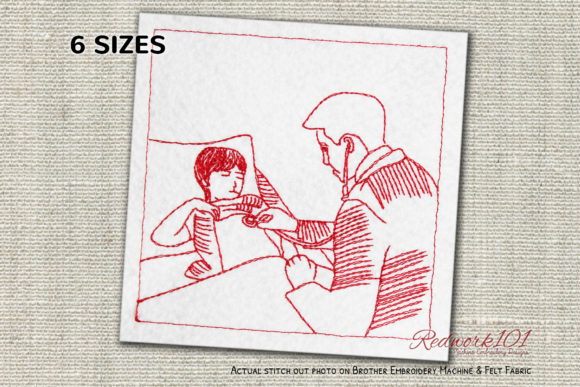
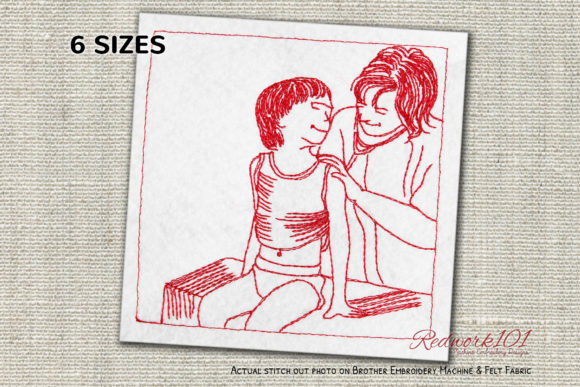
The moment I opened the digital embroidery file for Boy Getting Checked by Doctor Redwork, I was struck by its simplicity and warmth. It features a classic redwork aesthetic — a single-color thread design that mimics hand-stitched patterns — depicting a young boy being examined by a doctor. The theme is lighthearted and friendly, making it ideal for baby clothes, personalized gifts, or even nursery decor.
What stood out immediately was the balance between detail and clarity. The character’s posture and facial expression are expressive enough to convey the scene without overwhelming the viewer. This kind of subtle storytelling is what makes redwork designs so endearing, especially when used in handmade products where emotional resonance matters.
Layout and Visual Personality
The layout is centered and symmetrical, which is great for maintaining alignment on most fabrics. The outer box (if present) adds a framing element that can be useful for creating a border around the design. However, since it's noted that the outer box is optional and usually a different color unless part of the design itself, this gives flexibility to tailor the look based on your project needs.
I found the shape of the design to be well-proportioned, allowing for easy placement on a variety of surfaces like sweatshirts, tote bags, or even embroidered patches. The overall mood feels gentle and approachable, which could make it a hit with parents looking for personalized gifts or boutique owners aiming for whimsical yet professional branding.
Real-Life Application Scenarios
Let’s imagine a practical case: You're an Etsy seller preparing a line of holiday-themed baby onesies for resale. Boy Getting Checked by Doctor Redwork could fit perfectly into a "Doctor Visit" collection, especially if paired with other playful medical motifs like bandages or stethoscopes.
Here’s how it might work across different mediums:
- Tote Bag Design: The design would look fantastic on a cotton canvas tote. Its bold lines and minimal shading ensure visibility from a distance, perfect for brand recognition or personal use.
- Sweatshirt Embroidery: On a soft fleece sweatshirt, the contrast of the red thread against a light fabric background brings the design to life. Just be mindful of stitch density to avoid puckering.
- Baby Clothes: For a newborn outfit or toddler hoodie, the theme is both cute and comforting. Parents love designs that evoke innocence and care.
- Embroidered Patch: If you're creating patches for sale, this design offers enough personality to stand alone as a collectible piece, especially when stitched in vibrant reds or pinks.
- Nursery Decor: As part of a larger set of wall hangings or decorative pillows, the design contributes to a cohesive, thematic space.
In each of these scenarios, the design maintains its integrity while adapting well to different embroidery projects. It’s versatile, but not every application will suit it equally.
Where to Use Carefully
While the Boy Getting Checked by Doctor Redwork design is adaptable, there are a few considerations before stitching it onto your next batch of products:
- Small Hoop Sizes: The design may require some resizing, especially if you're working within tight hoop dimensions. Check whether key details still remain clear after scaling down.
- Textured Fabrics: Stitching on denim or flannel can affect the smoothness of the satin stitches. Test the design on scrap material to see how it holds up.
- Thin or Stretchy Fabric: Avoid using this design on delicate materials like silk or stretchy knits unless you add extra stabilizer underneath.
- Dark Backgrounds: The design relies heavily on contrast. If you’re using it on dark fabric, consider switching to a white or cream-colored thread for better visibility.
- Curved Surfaces: Placing it on caps or curved areas could distort the proportions. Always preview the design in a printable mockup to visualize how it’ll appear once stitched.
Also, note that the running stitch elements common in redwork designs can become less defined if the fabric isn’t stable enough. So, don’t skip the stabilizer step, especially if you plan to create multiple units for your craft business.
Visual Appeal and Customer Reception
One of the strengths of Boy Getting Checked by Doctor Redwork is its ability to blend nostalgia with modern aesthetics. The design doesn't feel outdated, which is important for today’s craft fair products and boutique merchandise. When I tested it on a light linen tea towel, it became an instant conversation starter — something that could easily double as a holiday gift or a unique addition to a home décor line.
Customers tend to respond positively to designs that have a clear story or emotion. This one does that subtly, making it suitable for both sentimental and commercial uses. If you're selling custom apparel, this design could increase buyer engagement simply because it feels personal and relatable.
Stitch Clarity and Detail Retention
When testing the design on several fabrics, I noticed that the corners and facial expressions held up well, provided the stitch density wasn’t too high. Redwork designs typically rely on fill and running stitches rather than dense satin coverage, which means they’re less likely to cause distortion. Still, I recommend inspecting the design closely before final production, especially if you're targeting a more detailed audience.
If you're planning to offer this as a digital embroidery file for resale or download, ensure that the customer understands the need for proper preparation. Including notes about stabilizer types, recommended thread colors, and suggested hoop sizes will build customer trust and reduce returns due to improper setup.
Designer Notes and Best Practices
Before committing to a full run of Boy Getting Checked by Doctor Redwork in any format, here are some tips to help you achieve the best results:
- Test on Scrap Fabric: Always do a test stitch before moving to the finished product. This helps identify potential issues with tension or fabric compatibility.
- Check Thread Color Contrast: Since red is a central feature, verify that it stands out clearly against your chosen fabric. Consider alternatives like black or navy for a bolder effect.
- Review Stitch Density: Make sure the stitch count per inch is appropriate for the fabric. Too dense and it risks puckering; too loose and it loses definition.
- Confirm Hoop Size: While no exact measurements are provided, it’s essential to know whether the design fits within a 4x4, 5x7, or larger hoop size depending on your project.
- Inspect Small Details: The eyes, mouth, and clothing folds are intricate. Ensure they come out crisp and clear after stitching.
- Use Black-and-White Mockups: These can help assess how the design will look in grayscale or if someone prints it as an applique pattern later on.
- Compare Light and Dark Backgrounds: The design’s visibility drops significantly on darker materials. Offer customers options or recommendations for thread choices accordingly.
- Choose the Right Stabilizer: Tear-away works fine for most cotton blends, but wash-away or cut-away may be necessary for stretchier or layered garments.
- Verify Licensing Before Selling: If you plan to include this in your commercial embroidery offerings, confirm whether the original creator allows resale of the finished product or digital file distribution.
Project Value and Brand Consistency
When added to a small shop product, this design can elevate the perceived value of the item. Whether it’s a custom sweatshirt for a child or a decorative apron for a themed kitchen, the Boy Getting Checked by Doctor Redwork adds a sense of craftsmanship and intentionality.
For brand consistency, it works best if you already have a collection of similar motifs. Its style aligns well with vintage-inspired or soft-edged themes. But if your brand leans toward bold, graphic looks, you might want to pair it with complementary elements to maintain visual harmony.
Final Thoughts for Crafters and Sellers
Overall, Boy Getting Checked by Doctor Redwork is a charming, well-structured design that can serve many purposes in your embroidery project lineup. It’s particularly effective for baby-related items, personalized gifts, and seasonal collections. However, its success depends on thoughtful execution — from choosing the right thread color to understanding fabric behavior under stitch pressure.
If you're considering this design for your next batch of Etsy listings or handmade shop items, take the time to review all the technical aspects first. Once you’ve confirmed its suitability for your target market and materials, it can become a valuable asset in your creative portfolio.
Remember, good embroidery isn’t just about what looks nice in the software — it’s about how it translates to the finished product. With the right prep and attention to detail, Boy Getting Checked by Doctor Redwork can deliver a lasting impression on both clients and customers alike.