Easter Egg Embroidery Design: A Practical Review for Real Projects
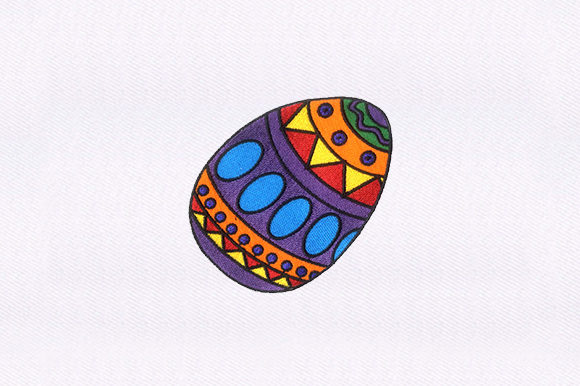
When I first opened the Easter Egg machine embroidery design, I was struck by its cheerful and balanced composition. It’s a classic motif with a modern twist—something that immediately caught my eye as an experienced designer who values both aesthetics and functionality. The shape is clean and well-defined, making it adaptable to various products without feeling cramped or lost in scale. The detail level is just right: enough to feel festive but not so dense that it becomes overwhelming on fabric.
A Festive Yet Subtle Addition to Custom Embroidery Projects
The Easter Egg design brings a light-hearted mood to any project. Its layout is centered, which makes it easy to position on garments or home décor items. The use of curves and soft lines gives it a gentle, approachable vibe that’s perfect for springtime themes. For those looking to create personalized gifts or holiday-themed items, this design offers a sense of warmth and tradition while still feeling contemporary.
I can already picture this on a custom sweatshirt or tote bag—ideal for an Etsy listing or boutique product. It would work especially well in baby clothes or nursery decor due to its softness and non-threatening appearance. Unlike some more intricate holiday designs, the Easter Egg feels versatile enough to suit both casual wear and decorative pieces.
Real-Life Application: Creating a Custom Tote Bag
Let’s imagine using the Easter Egg design on a custom tote bag intended for a spring craft fair. The design’s central placement and moderate size allow it to become the focal point without overpowering the rest of the bag. If paired with a simple text line like “Happy Spring” or “Egg-celent Day,” it could enhance the visual appeal and make the item instantly recognizable.
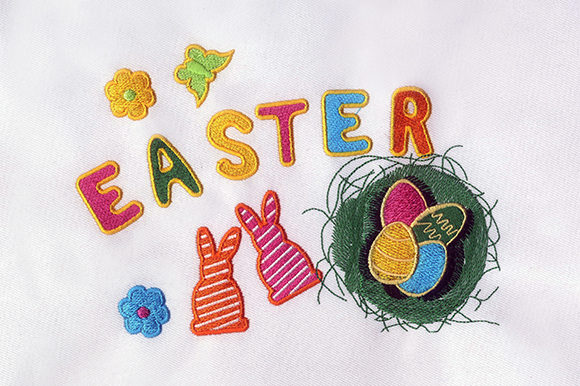
What I appreciate most is how it maintains clarity even when stitched on medium-weight cotton. The satin stitch around the egg outlines the shape beautifully, and the fill stitch inside adds depth without being too heavy. This balance is key for tote bags that are expected to be used frequently and washed often.
Performance Across Different Embroidery Applications
- Custom Apparel: Works well on t-shirts and sweatshirts, especially if you’re aiming for a subtle, wearable graphic. The design doesn’t scream for attention, which is great for everyday wear.
- Baby Clothes & Nursery Decor: Perfect for adding a touch of celebration to onesies, bibs, or pillow covers. The soft colors and shapes are kid-friendly and don’t feel too commercial.
- Patches & Caps: Can be adapted into an embroidered patch, though care must be taken with small hoop sizes and curved surfaces. On caps, the design might need resizing and simplifying the inner details to maintain visibility.
- Home Décor Items: Looks great on aprons, tea towels, and pillow cases. The design’s simplicity allows it to blend seamlessly into a handmade aesthetic.
- Commercial Embroidery: Offers enough charm to support branding for a seasonal product. As a digital embroidery file, it can be included in design asset packages for resale, provided licensing is confirmed.
One thing I’ve noticed is that the Easter Egg design doesn’t rely on tiny lettering or highly detailed corners, which is a relief for hobbyists and professionals alike. It avoids the pitfalls that can plague other holiday motifs—like over-stitching or poor thread color contrast—and instead focuses on a cohesive look that translates well across different media.
Where to Use It Carefully
- Small Hoop Sizes: While the design is compact, smaller hooping areas may require trimming or repositioning to avoid cutting off parts of the image.
- Textured or Stretchy Fabrics: These can distort the smooth curves of the egg. Always test on a scrap piece of your target material before committing to a full run.
- Dense Stitch Areas: The center fill stitch might bunch up on thin or loosely woven fabrics. Consider adjusting stitch density or using a stabilizer to keep things neat.
- Dark Fabric Backgrounds: The design uses pastel-like thread colors, which won’t stand out on darker materials. Opt for lighter bases or consider reversing the design to white thread for better visibility.
- Products That Need Frequent Washing: Dense stitching can lead to fraying or puckering over time. Make sure the design is properly stabilized and the thread quality is high for durability.
Visual Appeal Meets Practicality
In terms of visual impact, the Easter Egg design has a nice presence. It’s not too flashy, but it definitely conveys a sense of joy and celebration. When stitched correctly, it elevates the finished product’s value, especially if you're targeting customers who appreciate thoughtful, handcrafted touches.
From a customer trust standpoint, this design looks professional and polished. Whether it's part of a personalized gift or a small shop product, it contributes to a sense of quality and intentionality. That kind of presentation helps build brand consistency and improves buyer engagement, particularly for Etsy sellers and craft business owners focused on seasonal offerings.
However, if you're planning to use this on something like a decorative apron or a pillow cover, pay attention to how the stitch direction flows around the curves. Smooth transitions are essential to prevent distortion and ensure the final product looks as good as the original concept.
Designer Notes: Making the Most of the Easter Egg File
Before integrating the Easter Egg into a real project, I always recommend testing it on a scrap of the same fabric type you plan to use. This helps catch issues with thread tension or stitch coverage early on. Also, review the stitch density—especially in the fill area—to ensure it’s appropriate for your chosen material.
Here are a few practical steps to take:
- Check whether the design works on both light and dark fabric backgrounds.
- Inspect small details for clarity and adjust if needed.
- Use proper stabilizer to prevent shifting or puckering during stitching.
- Consider creating a black and white mockup to see how it holds up without color.
For digital product sellers, make sure the file format supports your software and check compatibility with common embroidery machines. Since no specific hoop sizes or license terms were listed, confirm these details before selling finished goods or reselling the digital file.
Final Thoughts on the Easter Egg Design
The Easter Egg machine embroidery design is a solid choice for those looking to add a charming, seasonal element to their projects. It doesn’t demand a lot from the fabric or machine, yet it delivers a clear, attractive result when handled with care. Its versatility means it can fit into a wide range of handmade products—from personalized gifts to small shop merchandise—without losing its character.
As a designer who regularly evaluates embroidery files for real-world application, I find the Easter Egg to be a reliable addition to a holiday or spring collection. Just remember to adapt it to your specific needs, whether that’s scaling down for a cap or ensuring it survives multiple washes on a tote bag.
If you're an Etsy seller or a small shop owner looking to expand your seasonal offerings, this design could serve as a valuable asset. It enhances the giftability of your products and supports a consistent, professional look that customers will come to recognize and appreciate.