Hot Dog Design: A Practical Embroidery Project Evaluation
As an experienced embroidery designer and product reviewer, I always approach a new design with a critical eye. The Hot Dog Design caught my attention for its playful charm and versatility in the realm of food-themed machine embroidery. Before jumping into production, I like to imagine how it will perform across various projects—whether on a cozy sweatshirt or a whimsical tote bag. Let’s take a closer look at what this design brings to the table from both a creative and practical standpoint.
First Impressions and Visual Personality
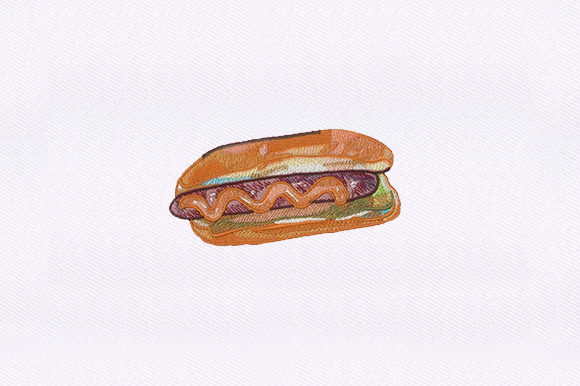
The Hot Dog Design is immediately recognizable as a fun and lighthearted addition to any embroidered project. Its layout is clean and well-proportioned, making it feel balanced without being cluttered. The shape is rounded yet stylized, which gives it a modern twist while still retaining that classic hot dog vibe. It’s not overly detailed, but just enough so that it feels engaging and authentic.
What stands out most is the visual personality. This design has a cheerful and approachable mood that works well for casual apparel and accessories. Whether you’re aiming for a nostalgic backyard vibe or something more trendy and quirky, the Hot Dog Design adapts nicely. It also pairs well with other food-related motifs or text elements, making it a good candidate for layered designs or themed collections.
Design Type and File Formats
Being a machine embroidery design, it supports a wide range of file formats including 10O, ART, CND, DSB, DST, DSZ, EXP, HUS, JEF, PCS, PEC, PES, TAP, VIP, VP3, and XXX. This broad compatibility is a plus for designers using different software or machines. Still, I recommend confirming your specific machine requirements before finalizing a project, especially if you're working on commercial scale.
Real-World Applications and Stitching Performance
I recently considered using the Hot Dog Design for a custom sweatshirt order—a family-friendly piece for a summer barbecue theme. The design’s bold lines and simple fill areas made it ideal for a front-and-center placement. The use of satin stitch around the outline gave it a smooth, polished finish that looked great even after multiple washes.
- Tote Bag Design: The Hot Dog Design would work beautifully as a feature on a cotton canvas tote. Its friendly shape complements the utilitarian style of such bags, and the stitching holds up well on thicker materials.
- Baby Clothes and Aprons: For soft, stretchy fabrics used in baby items or aprons, the design’s moderate stitch density makes it a safe bet. Just be sure to adjust tension and use appropriate stabilizers for delicate or stretchy materials.
- Pillow Covers and Tea Towels: On household textiles, the design adds a touch of humor without overwhelming the piece. It’s especially effective when paired with complementary elements like ketchup bottles or mustard drops.
- Holiday Gifts and Boutique Branding: The Hot Dog Design could be part of a seasonal collection, perhaps alongside other picnic or cookout-themed elements. It's subtle enough for branding purposes but distinct enough to stand out in a small shop setting or Etsy listing.
In terms of stitching clarity, the design handles well on medium to large hoop sizes. The corners are rounded and not too intricate, which helps avoid distortion. That said, if you plan to shrink the design significantly, you’ll want to test it first—particularly the fine details like condiments or texture shading, which may lose their definition on smaller scales.
Where Caution Is Advised
While the Hot Dog Design is generally adaptable, there are a few situations where it might need some extra attention:
- Small Hoop Sizes: If you're shrinking the design for a tiny patch or cap embroidery, consider simplifying the inner details or reducing stitch density to prevent puckering.
- Textured or Thin Fabrics: On flannel, denim, or lightweight knits, the design may require additional stabilizer or backing to maintain clarity and stability during the sewing process.
- Dark Fabric Backgrounds: The thread color contrast is key here. If you're stitching on a dark fabric, opt for light thread colors to ensure visibility and vibrancy.
- Curved Surfaces: When applying the design to caps or curved patches, check for seam alignment and possible stretching. You may need to rotate or reposition the design manually for optimal results.
- Frequent Washing: While the design seems durable, always test it on a finished sample before mass-producing items like aprons or towels that will see regular use.
Impact on Product Value and Customer Appeal
From a business perspective, the Hot Dog Design can elevate the perceived value of a handmade product. Its friendly aesthetic naturally attracts attention and can spark conversation, which is great for engagement on platforms like Etsy or craft fairs. As a personalized gift option, it adds a unique flair that many customers appreciate—especially for birthdays, housewarmings, or themed events.
When used consistently across a line of products (think matching onesies and hoodies), it contributes to brand recognition. The design doesn’t scream “commercial,” but rather fits comfortably within a boutique or artisanal context. It’s professional enough for a small shop product and personal enough for a handmade item.
Designer Notes and Best Practices
Here are a few tips to get the best results with the Hot Dog Design:
- Test on Scrap Fabric: Always stitch the design on a scrap piece of your intended material. This allows you to catch any potential issues with fabric behavior or thread tension early.
- Review Stitch Density: Especially in the fill areas, make sure the density isn’t too tight for your chosen fabric. Overly dense stitches can cause puckering or stiffness in the finished product.
- Confirm Hoop Size: While the design likely works well on standard hoops, double-check your machine’s specifications to ensure compatibility.
- Inspect Small Details: Look closely at the condiment accents or outlines. These features may not hold up well if the design is resized too much or stitched on unstable fabric.
- Use Proper Stabilizer: Depending on your fabric, try tear-away, cut-away, or no-show stabilizers to keep the design looking crisp and flat post-stitching.
- Check Licensing: If you plan to sell the finished product or offer it as a digital embroidery file, confirm the licensing terms to stay compliant and protect your business.
Final Thoughts on the Hot Dog Design
The Hot Dog Design is a solid choice for anyone looking to add a bit of fun and flavor to their embroidery projects. It’s not just about looks—it’s about how the design performs under real conditions. From the way it sits on fabric to how it reacts with different threads and textures, this design shows thoughtful planning behind the scenes.
Whether you're an Etsy seller adding character to a line of kids’ clothing or a small shop owner creating branded merchandise for a food festival, the Hot Dog Design can fit right in. But remember, every project is different. Take the time to mock up the design in black and white, compare it against your chosen fabric backgrounds, and assess whether it aligns with your brand’s tone and quality standards.
Used wisely, the Hot Dog Design can become a staple in your embroidery toolkit—offering both visual appeal and reliable performance. It’s one of those rare designs that manage to balance charm with functionality, making it a valuable asset for hobbyists and professionals alike.