Horse Portrait Design Review
As an embroidery designer who has spent years translating digital concepts into tangible brand assets, I approach every new file with a critical eye. It is not enough for a design to simply look good on a screen; it must hold up under the needle, withstand the wear of daily use, and elevate the perceived value of the final product. Today, I am reviewing the Horse Portrait Design, a piece that promises to bring character and elegance to small business merchandise. This review focuses on its viability for commercial applications, including branded patches, custom apparel, tote bags, and boutique accessories.
First Impressions: Visual Personality and Professionalism
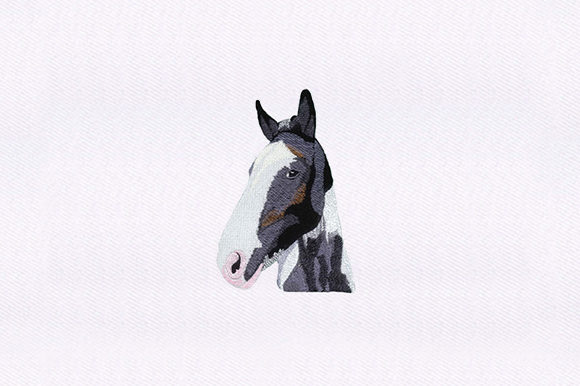
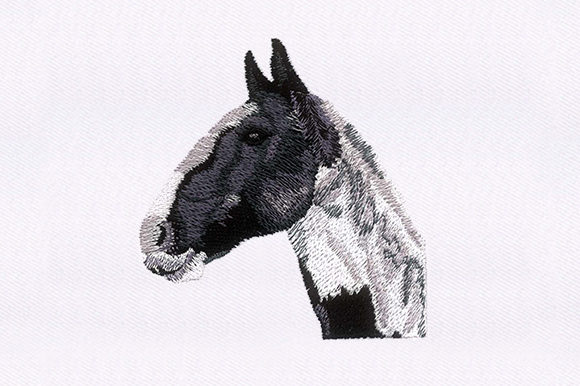
The title alone suggests a focus on realism and detail. When evaluating a machine embroidery design like the Horse Portrait Design, the first step is assessing its visual weight and clarity. Does it feel premium? Is it playful or serious? For a business looking to establish a strong brand identity, the aesthetic tone is crucial. A horse portrait often conveys heritage, strength, and artisanal quality. If executed well, this design can serve as a powerful anchor for brands in the equestrian sector, rustic boutiques, or even general lifestyle brands seeking a touch of classic elegance.
However, without seeing the specific stitch work, we must consider how such a detailed subject translates to thread. A portrait requires careful handling of negative space and contrast. If the design relies too heavily on fine lines, it may lose definition when stitched. The goal is to ensure that the Horse Portrait Design reads clearly from a distance, maintaining its integrity whether it is placed on a large apron or a tiny cap logo.
Real-World Business Applications
The true test of any embroidery file is its versatility across different product categories. Here is how the Horse Portrait Design can be leveraged for various small business needs:
- Embroidered Patches: One of the most popular uses for portrait-style designs is creating high-quality patches. These can be used as back patches for leather jackets, front chest logos for denim vests, or decorative accents on backpacks. The Horse Portrait Design works exceptionally well here because the contained nature of a portrait allows for clean edges and a distinct focal point.
- Staff Uniforms and Aprons: For bakeries, cafes, or florists with a rustic or western theme, this design adds a personal touch to staff uniforms. Embroidering the portrait on the chest of a work shirt or the pocket of an apron embroidery project signals attention to detail and pride in craftsmanship. It transforms a standard uniform into a branded experience.
- Caps and Headwear: Cap embroidery requires precision. A smaller version of the Horse Portrait Design can serve as a sophisticated logo on the front panel of a baseball cap or a structured hat. It appeals to customers who appreciate subtle branding over loud graphics.
- Tote Bags and Merchandise: Canvas totes are a staple for Etsy sellers and craft businesses. Placing the Horse Portrait Design centrally or off-center on a tote bag design creates a stylish accessory that doubles as marketing material. It is perfect for bookstores, art galleries, or pet brands.
- Product Packaging Accents: Beyond clothing, this design can be stitched onto fabric labels sewn into garment hems or attached to gift tags. This level of customization enhances the handmade product feel, justifying a higher price point for small business merch.
Strategic Considerations and Potential Pitfalls
While the potential is high, there are specific areas where designers must exercise caution. Not every surface is suitable for intricate portrait work.
Size and Detail Constraints
When scaling down the Horse Portrait Design for small patches or cap fronts, detail loss is a major risk. Fine outlines and subtle shading may merge together if the stitch density is too low or the area is too small. It is essential to test the design at its smallest intended size. If the eyes or mane details become muddy, the design may need simplification to maintain legibility.
Fabric and Surface Challenges
The texture of the base material plays a significant role in the final outcome. Stitching a detailed portrait on a highly textured fabric, such as heavy tweed or loose-weave canvas, can distort the image. Similarly, curved surfaces like the front of a cap require proper hooping techniques to prevent puckering. Dark uniforms may also pose a challenge if the thread colors do not provide sufficient contrast against the background.
Durability and Washing
For items that will undergo frequent washing, such as work shirts or aprons, the construction of the design matters. High stitch density can make the fabric stiff and uncomfortable. Ensuring the Horse Portrait Design uses appropriate underlay stitches and stable thread tension will prevent distortion over time. Always recommend using a proper stabilizer matched to the fabric weight to support the stitching process.
Impact on Brand Identity and Customer Trust
In the competitive landscape of online marketplaces and local retail, visual consistency is key. Using a professional, well-executed digital embroidery file like the Horse Portrait Design signals professionalism. It tells the customer that the business cares about quality. A crisp, clear embroidered logo builds trust and recognition faster than printed graphics, which can crack or fade.
Furthermore, unique design assets help a brand stand out. While many competitors might use generic clipart, offering a custom-stitched portrait elevates the product. This differentiation can lead to higher customer engagement and loyalty. When buyers see a beautifully finished product, they are more likely to perceive the value of the item and share their purchase on social media, providing organic marketing for the brand.
Practical Designer Notes for Production
Before committing to production runs, follow these practical steps to ensure success with the Horse Portrait Design:
- Test in Black and White: Convert the design to monochrome to check contrast and balance. This helps identify areas that may be too busy or lack definition.
- Check Hoop Size: Confirm that the hoop size required by the file matches your available equipment. Ensure the design fits comfortably within the hoop margins to avoid trimming errors.
- Review Thread Colors: Select thread colors that complement the target fabric. High contrast is usually best for portraits to ensure features remain distinct.
- Inspect Spacing: Look closely at the spacing between elements. Crowded stitches can lead to thread breaks or needle damage.
- Test on Real Fabric: Never skip the sample run. Stitch the design on the actual fabric you plan to use. This reveals issues with fabric texture, stabilizer choice, or tension settings.
- Create a Printable Mockup: Use the design to create a printable mockup for client approval. This allows stakeholders to visualize the final product before production begins.
- Confirm Commercial Licensing: Verify that you have the right to use the Horse Portrait Design for commercial purposes. Check the license terms associated with the file formats provided (such as PES, DST, EXP, etc.) to avoid legal issues.
By following these guidelines, you can maximize the effectiveness of the Horse Portrait Design in your commercial embroidery projects. Whether you are creating custom apparel for a team, branded gifts for clients, or unique items for your Etsy shop, this design offers a versatile and elegant solution. Remember, the success of an embroidered piece lies not just in the artwork, but in the thoughtful execution and understanding of its application. With careful planning and testing, the Horse Portrait Design can become a standout asset in your design assets library, driving sales and enhancing your brand’s reputation.