Elephant Embroidery Design Review for Craft Fair Success
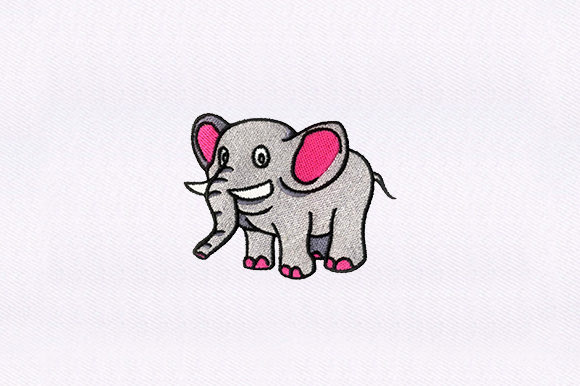
If you're prepping for your next craft fair or handmade market, the Elephant machine embroidery design is one worth considering. As an experienced embroidery designer who’s set up countless booths and curated product lines for Etsy sellers and boutique makers, I can say this design has a lot going for it — especially when it comes to visual appeal, production practicality, and customer engagement.
First Impressions: Bold, Farmhouse-Ready, and Handmade-Friendly
The name “Elephant” immediately evokes warmth and whimsy. It doesn’t scream loud, but it does whisper charm — something that makes it ideal for handmade products with a rustic or farmhouse vibe. Based on the title and description alone, this design feels like it could work in both playful and premium settings. It’s not overly complex, but it carries enough character to stand out in a crowded booth filled with generic patterns.
When you look at the specifications (SKU E-21691), the 4×4 hoop size is a win for most craft fair product types. That means it fits well on items like aprons, tea towels, and small pouches without needing extra-large hoops or specialized equipment. The design type is clearly stated as machine embroidery, so we know it's intended for digitized use — perfect for digital sellers and Cricut users looking to streamline their production process.
How Elephant Works on Real Products
Let’s break down where this design shines across common craft fair product categories:
- Tote Bags: Elephant adds a subtle yet eye-catching touch. On canvas or linen tote bags, it becomes a statement piece without being overwhelming. Customers love animals in nature-themed designs, and this one brings a sense of calm and quality.
- Apron Embroidery: A front pocket apron is a great canvas. Placed just above the pocket, Elephant can become a signature detail that sets your line apart from mass-produced kitchen gear.
- Tea Towels & Market Bags: The 4×4 size works perfectly here. A soft pastel elephant on a natural cotton towel or a sturdy woven bag gives off cozy, artisanal vibes. These are crowd-pleasers at fairs and online too.
- Embroidered Patches: This design would translate beautifully into a patch format. Use it on denim jackets, backpacks, or even as a standalone item. Its simplicity makes it versatile for customization and layering.
- Pillow Covers & Fabric Pouches: On smaller home décor items, Elephant can be a central feature. Choose muted tones for a modern aesthetic or bold colors for a more decorative look.
- Caps & Small Shop Product Accents: For curved surfaces like caps, ensure the design is symmetrical and centered. It may need some tweaking depending on the cap style, but as a small accent, it works well.
Design Mood and Brand Consistency
What really stands out about Elephant is its mood balance. It’s neither too cute nor too wild — just right for those who want to project a warm, thoughtful brand image. If your booth leans towards Wild Animals themes or nature-inspired collections, this design fits seamlessly. It also pairs nicely with other animal motifs or botanical elements, making it a good candidate for building a cohesive collection.
Photography and Online Appeal
As an Etsy seller or digital seller, you know how important it is for your products to pop online. Elephant photographs well due to its clean shape and lack of overly busy details. Whether it's stitched on a dark fabric using contrasting thread or placed on a light background with minimal shading, it maintains clarity and definition in photos.
This design also looks great in printable mockups, which is a huge plus for showcasing your design assets ahead of time. You can easily create sample images for your website or social media, helping buyers visualize how it’ll look on their favorite tote or apron.
Production Practicalities: What Every Embroidery Designer Should Know
Before turning Elephant into your next bestseller, consider these key production factors:
- Stabilizer Check: Since the design uses standard hoop sizes, it should be manageable with regular stabilizers. However, if there are dense stitch areas, you may want to opt for tear-away or cut-away stabilizers, depending on the fabric type.
- Thread Colors: This design likely benefits from a limited color palette. Stick to two or three thread colors to keep costs low and maintain a clean look. Test different combinations on various fabric textures before finalizing.
- Fabric Texture: Avoid highly textured towels or thick, stiff fabrics unless you’ve tested the design first. Dense stitches can struggle with texture, leading to puckering or misalignment.
- Dark Fabrics: While possible, stitching on darker materials may require high-contrast threads to ensure visibility. Always test on scrap fabric to see how the design appears under natural lighting conditions.
- Small Sizes: Elephant may lose impact when scaled down too much. Keep the minimum size large enough to preserve its recognizable features, especially if it includes any fine lines or subtle contours.
Batch Production Considerations
Thanks to the 4×4 hoop size, this design is relatively easy to produce in batches. It doesn't require unusual positioning or oversized stabilizers, which is a big relief when you're trying to maximize efficiency for a weekend event. Just make sure to confirm the stitch density and spacing in the embroidery file to avoid unnecessary tension issues or skipped stitches during mass runs.
Customer Engagement and Booth Display Tips
At a craft fair, your display needs to catch eyes quickly. Elephant, with its simple form and universal appeal, can help draw attention to your booth. Place it on a prominent booth sample — maybe a large tote bag or a set of matching tea towels and pillow covers — to show its versatility and quality.
Customers often gravitate toward nature and animal themes, especially when they feel handcrafted and meaningful. An embroidered elephant adds a touch of personality and storytelling to your products. It’s not just a design; it’s a symbol of strength, memory, and grace — all qualities that resonate in the handmade space.
Where It Stands Out Most
Elephant performs best when used as a large focal design. Its scale allows for rich detail and strong visual impact. But don’t overlook its potential as a small accent — perhaps on the corner of a fabric pouch or as part of a layered design with other elements. Either way, it helps elevate the perceived value of your small shop product.
Designer Notes for Maximum Impact
Here are some real-world tips to get the most out of Elephant before you start selling it:
- Test on Scrap Fabric: Before committing to a full batch, run a few samples through your machine. This will let you spot any issues with stitch flow or tension.
- Review Spacing: Ensure the design isn’t cramped within the 4×4 hoop. Proper spacing prevents distortion and keeps the overall look polished.
- Confirm Commercial Licensing: If you plan to sell finished products or commercial embroidery kits, double-check the licensing terms included with the digital embroidery file. Not all files allow resale, and missing this step can lead to legal complications.
- Compare Fabric Colors: Try the design on multiple shades of the same fabric to see how it behaves. Sometimes a design looks amazing on white but gets lost on gray or beige — so testing is essential.
- Create Mockups: Even if you’re not printing them, having a few stitched samples ready for your booth can boost buyer confidence. People buy what they can see and touch, and a well-stitched Elephant can do just that.
Final Thoughts on Elephant and Your Craft Fair Strategy
In short, Elephant is a solid choice for any craft fair product line that values quality, charm, and ease of production. It’s not flashy, but it’s memorable — and that’s exactly what you need to stand out in a sea of handmade goods.
Whether you're preparing for your first local market or expanding your commercial embroidery offerings, this design offers flexibility, visual interest, and a clear path to profitability. Just take the time to test, adjust, and present it in a way that highlights its strengths. Done right, Elephant could become one of your booth’s top performers — and a staple in your handmade product catalog.