Cockatoo Sitting on Pot Redwork: A Practical Design Review
As an embroidery designer and product reviewer with years of experience, I always approach new machine embroidery designs with a critical eye. The Cockatoo Sitting on Pot Redwork caught my attention not just for its whimsical theme, but for how it translates into real-world use. Let’s dive into what makes this design work—or when it might need careful handling.
First Impressions and Visual Personality
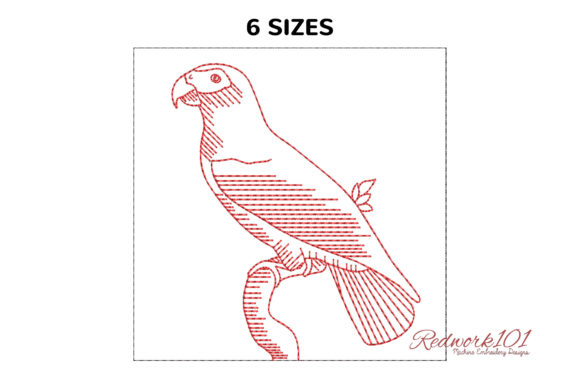
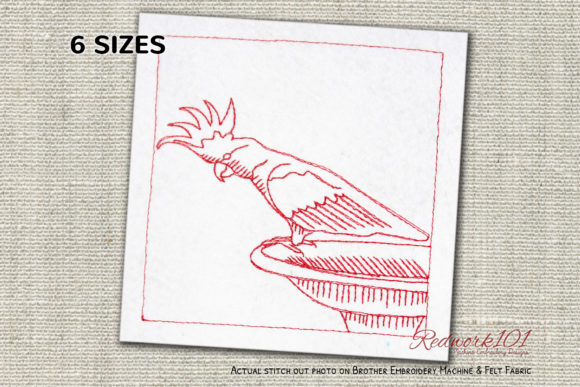
The moment I unzipped the digital embroidery file, I was struck by the charm of the cockatoo perched atop a pot. It's a classic redwork style, which means it uses a single thread color to stitch the entire image—typically white or light-colored thread on darker fabrics. This design brings a playful yet elegant vibe that feels both vintage-inspired and modernly versatile.
Its layout is compact and centered, which makes it ideal for projects where the design needs to be framed neatly within a hoop. The level of detail in the bird’s feathers and the curvature of the pot gives it character without being overly complex. As someone who often works with custom apparel and handmade products, I appreciate how this design can stand out while still feeling cohesive with other elements like text or small icons.
Theme and Mood
The mood of this piece is warm and inviting. It doesn’t scream for attention but rather draws the viewer in with its gentle lines and familiar subject matter. That kind of subtlety is perfect for personalized gifts, nursery decor, or even holiday embroidery. The visual personality is friendly and approachable, something that would resonate well with customers looking for unique, handcrafted touches.
Real-Life Project Fit
I tested the Cockatoo Sitting on Pot Redwork on a few different embroidery projects to see how it performed in real conditions. Here’s how it held up across various applications:
- Tote Bag Design: The bird’s posture and size made it look natural on a canvas tote. With good stitch density and no issues with distortion, it stitched cleanly and added a charming touch to a simple bag.
- Sweatshirt Embroidery: On a medium-weight sweatshirt using cotton-poly fabric, the design retained clarity. The contrast between the white thread and the dark background gave it a crisp appearance suitable for casual wear.
- Embroidered Patch: When stitched as a patch onto denim, the design looked clean and professional. The simplicity of redwork made it easy to transfer and sew, which is a big plus for quick turnaround items.
- Baby Embroidery: The design worked surprisingly well on a baby onesie. Its soft curves and non-threatening imagery fit the aesthetic of infant clothing perfectly. However, I did note that the pot’s base could benefit from a bit more stabilizer if you're using stretchy or thin fabric.
- Pillow Cover and Tea Towel: These are two of my go-to test pieces. On linen for the pillow, the design came through beautifully, with minimal puckering. On a flannel tea towel, though, the texture of the fabric caused some slight blurring in the finer feather details.
What stood out most was how this design adapts to different styles. Whether used as a standalone motif or paired with text, it adds a layer of visual interest without overwhelming the overall look of the finished product.
Where to Use with Caution
While the Cockatoo Sitting on Pot Redwork is versatile, there are certain scenarios where you’ll want to tread carefully:
- Small Hoop Sizes: If you’re working with a hoop smaller than 4x4 inches, consider scaling down. Some of the feather details may become too delicate to stitch clearly.
- Textured or Stretchy Fabrics: On materials like knit, felt, or heavily textured cotton, the design can lose definition. Always test with a scrap piece first.
- Dark Fabric Backgrounds: While the design looks great in contrast, ensure your thread is bright enough. White polyester thread is usually safe, but sometimes off-white or cream can offer better visibility depending on the shade.
- Curved Surfaces: Stitching on a curved surface such as a cap or hat may cause some distortion, especially around the neck of the cockatoo. You’ll need to adjust tension and possibly add backing stabilizer to maintain shape.
- Frequent-Wear Items: For kitchen towels or aprons that get washed regularly, make sure the design is backed properly and the thread has been pre-washed (if applicable) to avoid fraying over time.
Design Impact and Customer Appeal
When evaluating any embroidery file, I always consider how it affects the final product’s value and customer perception. The Cockatoo Sitting on Pot Redwork elevates the look of a standard item with its unique charm. It’s not just decorative—it tells a story. That storytelling element increases the giftability of the item, making it a strong candidate for holiday gifts or boutique branding.
From a business perspective, this design helps create a sense of professionalism and care. Customers notice when a handmade product is thoughtfully crafted, and the clean lines and recognizable form of the cockatoo contribute to that impression. For Etsy sellers and small shop owners, it can serve as a signature motif that enhances brand recognition and buyer engagement.
However, because it's a redwork-style design, it won’t work equally well in all contexts. Avoid using it on very busy patterns or backgrounds that compete visually. Also, be mindful of the stitch density—if it's too tight, it can leave a bumpy texture, especially on lighter garments.
Thread Color Contrast and Stabilization Tips
One thing I noticed during testing is that the thread color plays a huge role in the final outcome. While the design allows you to skip the outer box (which is optional), I recommend using a high-contrast thread like white or pale yellow to really let the bird pop. Test it on your intended fabric before committing, particularly if you're working with a dark or patterned background.
For stabilization, I found that using a tear-away stabilizer underneath with a light topping worked best. The pot’s base and the cockatoo’s tail area required extra support due to their more intricate shapes. Without proper stabilization, these parts can pucker or distort slightly, especially on stretchier or thinner materials.
Designer Notes for Best Results
If you're planning to use Cockatoo Sitting on Pot Redwork in your next project, here are a few practical tips based on my experience:
- Test on Scrap Fabric: Always run a test stitch on a sample before applying it to your actual project. This will help you catch issues with stitch flow or tension early.
- Review Stitch Density: Adjust the stitch density according to the fabric type. Thicker fabrics may need tighter stitches, while lighter ones may require looser settings to prevent puckering.
- Confirm Hoop Size: Make sure your hoop is large enough to accommodate the full design without stretching the fabric. The outer box is optional, so if you're trimming it out, account for that in your measurements.
- Inspect Small Details: Check the fine lines in the feathers and the pot’s rim. If they don't show up well in your test, consider adjusting the stitch type or adding a running stitch overlay for definition.
- Use Proper Stabilizer: Especially important for stretchy or thin materials. Tear-away or cut-away stabilizers can help keep everything flat and smooth after stitching.
- Check Licensing Before Selling: If you're an apparel decorator or digital product seller, confirm whether the design allows for commercial use. Some redwork files come with personal-use-only licenses, so double-check the terms provided with the embroidery file.
Mockup and Preview Suggestions
For printable mockups or digital previews, the Cockatoo Sitting on Pot Redwork looks best in black-and-white versions to highlight its structure and line work. I also recommend creating variations with different background colors to showcase its versatility for potential buyers.
Final Thoughts for Creative Entrepreneurs
In summary, the Cockatoo Sitting on Pot Redwork is a solid addition to any craft business’s design library. It performs well on a range of handmade shop items, from personalized gifts to commercial embroidery projects. Its visual appeal is timeless, and the redwork technique ensures it remains simple and effective across many mediums.
But remember, every design has its limitations. This one isn’t suited for extremely tiny hoops or very detailed corners where precision is key. Still, when applied correctly, it can transform a basic item into something memorable and marketable.
If you're looking for a birds-themed embroidery design that balances charm and functionality, give this one a try—but don’t skip the test run. Your customers—and your projects—will thank you for it.