Black Quilting Design Review for Small Business Merchandise
First Impressions: A Timeless and Professional Embroidery File
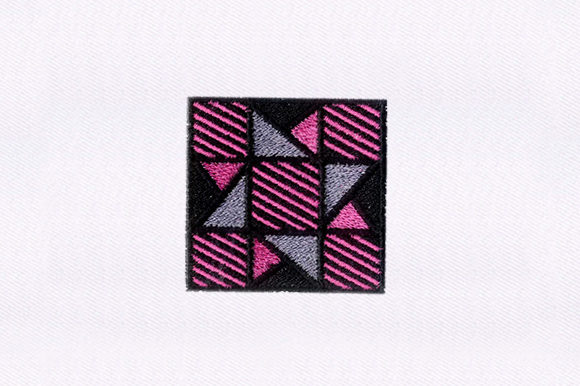
As an experienced embroidery designer, the first thing that stands out about the Black Quilting Design is its clean, structured appearance. The title alone suggests a design rooted in tradition, with a modern twist—something that can easily be adapted into brand identity while maintaining a premium feel. From the file formats listed (10O, ART, CND, DSB, DST, DSZ, EXP, HUS, JEF, PCS, PES, TAP, VIP, VP3, XXX), it’s clear this is a well-supported machine embroidery design, suitable for a wide range of embroidery machines.Business Use: Where Black Quilting Design Shines
The Black Quilting Design offers a unique visual personality that can enhance your small business merch in several ways:
- Embroidered Patches: This design works beautifully as a patch for branded jackets, tote bags, or even custom aprons. Its texture adds depth without overwhelming the fabric.
- Chest Logo Accent: For a boutique or creative studio, placing the quilt pattern subtly around a logo creates a cohesive and elegant look.
- Sleeve Details: Handmade brands and Etsy sellers can use it as a decorative sleeve accent to give uniforms or workwear a personalized touch.
- Cap Embroidery: A small application of this design on cap sides or back panels adds character without being too busy.
- Tote Bag Markings: When applied to the corner or bottom of a reusable tote bag, it gives a sense of craftsmanship and attention to detail.
- Apron Embroidery: Cafés, bakeries, and florists will appreciate how it elevates staff aprons, giving them a professional and homey vibe.
- Commercial Embroidery Projects: With support across multiple file formats, it’s versatile enough for larger runs of custom apparel or promotional items.
Its ability to blend handmade presentation with commercial embroidery standards makes it especially valuable for businesses aiming to maintain authenticity in their branding while scaling production. Whether you're creating small business merch for retail or customer gifts, this design has the potential to elevate your product's perceived value and visual consistency.
Design Considerations for Real-World Applications
While the Black Quilting Design brings a lot to the table, there are some practical aspects to consider before using it for branded merchandise:- Small Patch Sizes: If used as a patch, ensure the design isn’t too detailed when scaled down. High stitch density may cause issues at smaller sizes.
- Curved Surfaces: The design should be tested on curved surfaces like caps or sleeves to avoid distortion or puckering.
- Tiny Lettering: If your brand name or logo includes small text, integrate it carefully to prevent overlap or legibility problems with the quilting pattern.
- Fabric Texture: The design performs best on smooth, stable fabrics. Textured materials may not show off the fine details as effectively.
- Dark Uniforms: While black thread colors are mentioned, testing on dark garments is crucial to ensure visibility and contrast.
- Washing Frequency: Items like aprons or work shirts need durable designs. Confirm that the stabilizer and backing recommendations allow for long-lasting wear after frequent laundering.
Impact on Brand Identity and Customer Perception
Incorporating the Black Quilting Design into your branding strategy can help establish a strong brand identity. The design’s aesthetic leans toward the rustic and premium side, which aligns well with handmade shops, artisanal cafés, and lifestyle brands. It conveys a sense of care and craftsmanship that customers associate with quality and authenticity. When applied consistently across custom apparel, packaging accents, or product labels, the design helps reinforce your visual theme. For instance, a bakery using this motif on aprons and tote bags might create a unified experience that feels both professional and cozy—a powerful combination for buyer engagement.Customers also tend to trust brands that invest in high-quality details. An embroidered design like this one shows that you’re serious about presentation and professionalism. Whether it’s a printable mockup for online listings or the actual finished product, the Black Quilting Design can significantly impact how your brand is perceived.
Designer Tips for Using Black Quilting Design Effectively
- Test in Black and White First: Since the design seems to focus on monochrome patterns, start by applying it in black thread to evaluate its structure and clarity.
- Check Small Patch Size Compatibility: Before finalizing, test how the design looks and behaves at the smallest size you plan to use it.
- Review Thread Color Contrast: Even if it's a black-themed design, thread color choices matter depending on the garment background.
- Inspect Spacing and Density: Look for tight clusters of stitches that could cause tension or breakage during embroidery.
- Confirm Hoop Size: Without specific hoop size information, always verify compatibility with your machine and materials.
- Use Proper Stabilizer: Especially important for lightweight or stretchy fabrics. Choose stabilizers that complement the design’s weight and complexity.
- Create a Mockup: Present a printable mockup of the design on the intended item to your client for approval before full production.
- Compare with Other Design Assets: Ensure the Black Quilting Design harmonizes with your existing logos, fonts, and other design assets.
- Verify Commercial Licensing: Always confirm that the digital embroidery file comes with commercial rights if you intend to use it for selling products.