African Pied Wagtail Redwork for Seasonal Embroidery
As an experienced embroidery designer, I’m always on the lookout for versatile and meaningful designs that can elevate a seasonal collection. When I first laid eyes on African Pied Wagtail Redwork, it immediately caught my attention—not just for its visual appeal, but for its potential to resonate with holiday shoppers and craft lovers alike.
First Impressions: A Festive Yet Timeless Bird Design
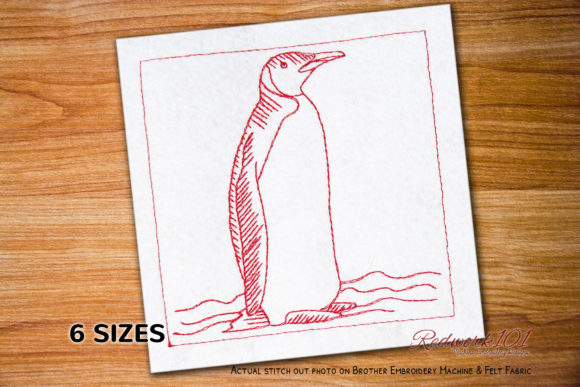
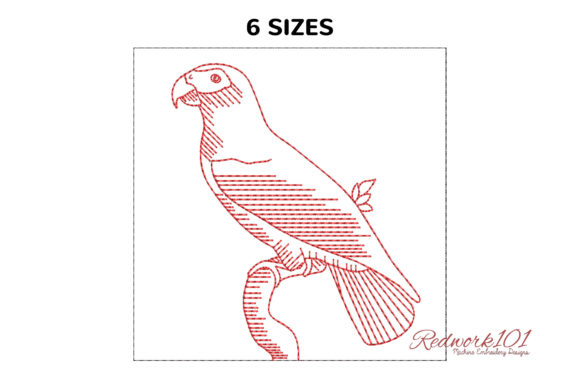
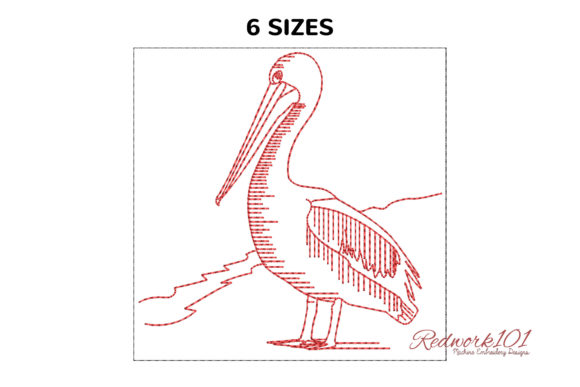
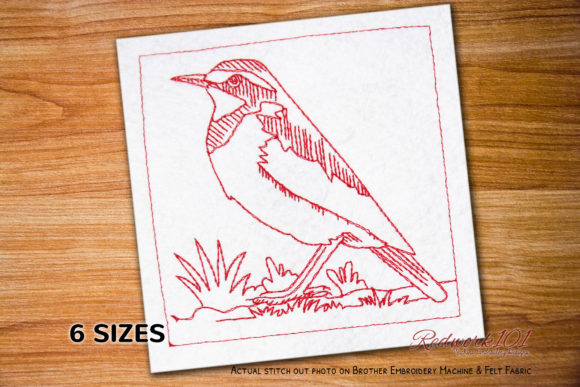
The African Pied Wagtail Redwork design exudes a cozy, rustic charm that feels both nostalgic and modern. The bold red thread against the white or light-colored background gives it a classic silhouette look, which is perfect for holiday and seasonal themes. It’s not overly detailed, which makes it ideal for a wide range of products without overwhelming the eye. The emotional tone leans toward playful and spiritual—connecting with nature while adding a touch of elegance to any item it adorns.
This machine embroidery design has a clean and decorative style that works well in home decor and apparel. The simplicity of the redwork technique also allows for easy customization, especially when paired with different fabric textures and colors. Whether you're designing for a winter market or a summer celebration, this bird motif brings a subtle yet impactful presence.
Practical Applications for Holiday Product Lines
African Pied Wagtail Redwork is a great candidate for multiple product types within a seasonal shop. Here are some of the most effective ways I’ve seen it used:
- Sweatshirt Embroidery: The design adds a charming, whimsical touch to cozy hoodies and sweatshirts, especially during fall and winter collections.
- Tote Bag Design: As a festive tote, it becomes a statement piece for shoppers looking for handmade gifts or stylish carryalls for the holidays.
- Kitchen Towel Embroidery: Perfect for adding personality to kitchen linens, this design fits well into rustic-themed sets or farmhouse-style collections.
- Pillow Covers: The redwork aesthetic pairs beautifully with neutral or pastel tones, making it a popular choice for holiday home decor items.
- Embroidered Patch: Use it as a standalone patch for jackets, backpacks, or denim projects—ideal for small shop product drops or personalized gifts.
- Aprons and Table Linens: Its clean lines and bold color make it stand out on functional items that still need to be visually appealing.
- Ornaments and Baby Items: Smaller versions of the design work wonders on ornaments, baby onesies, or even holiday stockings, offering a sweet and meaningful touch.
For Etsy sellers and small business owners, this design offers high giftability and can easily become part of curated bundles. Think about pairing it with other seasonal motifs like snowflakes, poinsettias, or Christmas trees for a cohesive theme. It also stands out in craft fair displays, where customers are often drawn to the handcrafted feel of redwork embroidery.
Boosting Engagement Through Visual Storytelling
Incorporating African Pied Wagtail Redwork into your digital embroidery file library helps build visual recognition and brand consistency. When customers see a familiar style across your product line—like matching family sweaters or coordinated home goods—it enhances their trust in your brand. The design’s unique character makes it memorable, encouraging repeat sales and positive reviews.
Creating printable mockups for social media previews and Etsy listings is another smart move. Showcasing the design on a variety of items helps buyers visualize how it will look on their own products, increasing engagement and conversion rates during peak shopping periods.
Where to Use Carefully: Avoiding Common Pitfalls
While African Pied Wagtail Redwork is a strong contender for many seasonal items, there are situations where it might require extra attention:
- Small Hoop Sizes: The design may lose clarity if stitched on a tiny hoop. Always confirm the recommended hoop size before finalizing your project.
- Tiny Lettering or Fine Details: If the design includes text or intricate elements, ensure they’re legible and won’t get distorted due to stitch density issues.
- Layered or Textured Fabrics: Thick towels or heavily quilted materials may cause the design to appear uneven. Test on similar fabric textures before mass production.
- Dark Fabric: Redwork relies on contrast. Stitching on dark backgrounds could dull the effect unless a bright red thread is used carefully.
- Metallic Thread: While metallic threads add sparkle, they may not hold up well with the fine lines and curves of this design. Stick to standard embroidery floss for best results.
- Stretchy Garments or Curved Caps: These surfaces can distort the shape of the design. Consider using a stabilizer or adjusting tension for optimal appearance.
- Items Requiring Frequent Washing: Especially in the case of kitchen towels or baby clothes, ensure the design remains intact after repeated use.
Design Notes for Maximum Seasonal Appeal
Here are some practical tips to help you make the most of African Pied Wagtail Redwork in your commercial embroidery projects:
- Test Thread Colors: Always test the red thread on both light and dark fabrics to ensure it provides enough contrast and vibrancy.
- Check Stitch Density: This is especially important for layered items or stretchy garments. Adjust your machine settings if needed to avoid puckering or distortion.
- Confirm Hoop Size: Though exact dimensions aren’t provided, make sure the design fits comfortably within your intended hoop size to maintain quality.
- Use Proper Stabilizer: Backing fabric can make all the difference, particularly on delicate or wash-prone materials.
- Create Realistic Mockups: Showcase the design on actual product photos or templates to give customers a true sense of scale and placement.
- Review Small Details Post-Stitch: After stitching, inspect the design closely. Redwork often involves fine lines that can sometimes break or misalign if not handled properly.
- Plan Matching Color Palettes: Pair this design with complementary hues for a cohesive seasonal look. Think earth tones, pastels, or rich holiday shades depending on the season.
- Verify Commercial Licensing: Before selling finished products, double-check the license terms of the digital embroidery file to ensure you’re compliant with usage rights.
Enhancing Buyer Emotion and Product Value
Seasonal embroidery isn’t just about aesthetics—it’s about connecting with customers on an emotional level. African Pied Wagtail Redwork taps into the warmth of the holiday spirit and the joy of handmade craftsmanship. Its presence on a product can evoke feelings of nostalgia and comfort, especially when placed on cozy items like sweatshirts or pillow covers.
From a value standpoint, this design elevates the perceived quality of any item it's added to. Customers are willing to pay more for a premium-looking handmade gift or a limited edition apparel piece with thoughtful detailing. Plus, because it’s a bird design, it naturally appeals to those who love nature-inspired holiday themes or animal motifs in general.
Customer Trust and Brand Consistency
When customers see consistent, high-quality designs across your seasonal offerings, they begin to associate your brand with reliability and taste. Using African Pied Wagtail Redwork repeatedly across different products reinforces your brand identity, especially if you specialize in holiday embroidery or seasonal embroidery. Just remember to keep the presentation fresh—perhaps by changing the fabric type or adding minimal text for personalization.
Final Thoughts for Seasonal Collections
African Pied Wagtail Redwork is a standout addition to any seasonal or holiday product lineup. Its versatility, emotional resonance, and visual impact make it suitable for a wide array of applications—from apparel to home goods. However, as with any embroidery design, success depends on thoughtful planning and testing before going live with your small shop product range.
Whether you're a seasoned Etsy seller or just starting out with commercial embroidery, this design has the potential to become a customer favorite. With proper execution, it can enhance your shop’s seasonal appeal, increase buyer engagement, and contribute to a stronger brand image throughout the year.